
Introduction: A Smarter Way to Approach Math Learning
In the digital age, learning mathematics has become more interactive and accessible than ever before. Platforms like Delta Math provide structured exercises, instant feedback, and personalized practice, making them highly effective tools for students at different levels. However, alongside this convenience comes a growing trend—students searching for delta math answers instead of engaging with the learning process itself.
At first glance, this might seem harmless. After all, completing assignments quickly can reduce stress and free up time. But mathematics is not just about finishing tasks; it is about understanding patterns, building logic, and developing problem-solving abilities that extend far beyond the classroom. When students rely heavily on answers rather than effort, they unintentionally limit their growth.
This article explores a better approach. Instead of chasing shortcuts, it focuses on how to use online math platforms effectively, strengthen conceptual understanding, and develop skills that last a lifetime. If you’ve ever felt tempted to skip the process and jump straight to solutions, this guide will help you rethink that strategy.
Understanding the Real Purpose of Math Practice Platforms
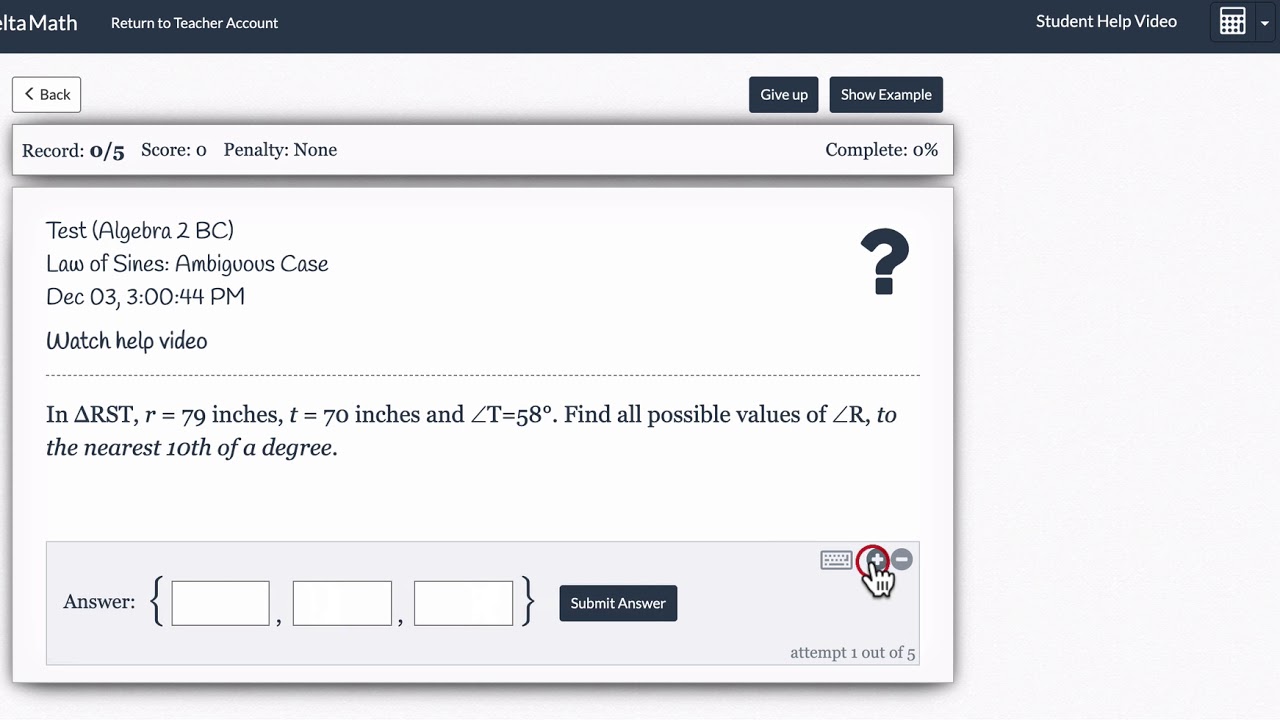
Mathematics platforms are designed with a clear goal: to help students learn through practice, repetition, and feedback. Delta Math, in particular, stands out because it adapts to student performance and provides immediate corrections.
When students attempt problems, they are not just solving equations—they are training their brains to recognize patterns and apply logical reasoning. Each mistake is an opportunity to learn something new. Each correct answer reinforces confidence.
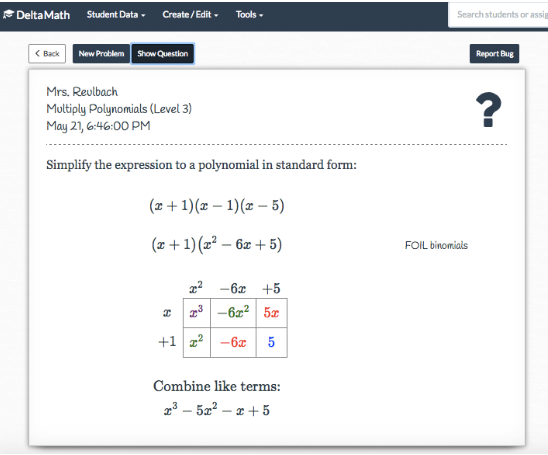
The system is built to guide students step by step. It doesn’t just test knowledge; it helps create it. This is why jumping directly to delta math answers defeats the purpose of the platform. It bypasses the very process that leads to improvement.
Instead of viewing assignments as tasks to complete, students should see them as opportunities to grow. This shift in perspective can make a significant difference in both performance and confidence.
Why the Shortcut Mindset Is So Tempting
The temptation to look up answers is understandable. Students today juggle multiple subjects, deadlines, and responsibilities. When time is limited, efficiency becomes a priority.
For some, math can feel intimidating. Complex equations and unfamiliar concepts create anxiety, making shortcuts seem like a safe option. Searching for delta math answers becomes a quick fix to avoid frustration.
There is also the pressure to perform well. Grades often feel more important than understanding, leading students to focus on results rather than learning.
However, this mindset comes at a cost. While it may provide temporary relief, it creates long-term challenges. Without a strong foundation, future topics become harder to grasp, and confidence continues to decline.
The Long-Term Impact of Skipping the Learning Process
When students rely on answers instead of solving problems themselves, they miss out on essential skill development. Mathematics is cumulative, meaning each concept builds on the previous one.
If foundational concepts are weak, advanced topics become overwhelming. Students who frequently depend on delta math answers often struggle during exams, where independent thinking is required.
Another consequence is reduced critical thinking ability. Math teaches students how to analyze problems, break them into steps, and find logical solutions. Skipping this process weakens these skills.
Over time, this approach can lead to frustration, lower confidence, and even a dislike for the subject. What starts as a small shortcut can turn into a major obstacle.
Building a Strong Foundation Through Understanding
Understanding is the key to mastering mathematics. It goes beyond memorizing formulas or copying solutions.
When students truly understand a concept, they can apply it in different situations. They can solve unfamiliar problems, adapt to new challenges, and think creatively.
This is why it is important to focus less on delta math answers and more on the reasoning behind them. Asking questions like “Why does this work?” or “What is happening in this step?” can deepen comprehension.
Strong foundations make learning easier in the long run. Instead of struggling with every new topic, students build on what they already know.
Effective Study Habits That Actually Work
Consistency Over Intensity
One of the most effective ways to improve in math is through consistent practice. Studying a little every day is more beneficial than cramming before deadlines.
Consistency helps reinforce concepts and improves retention. It also reduces stress, as students feel more prepared over time.
Rather than searching for delta math answers, students should aim to solve a few problems daily. This steady effort leads to significant improvement.
Learning from Mistakes Instead of Avoiding Them
Mistakes are often seen as failures, but in reality, they are valuable learning tools. Each error provides insight into what needs improvement.
Instead of ignoring mistakes, students should analyze them carefully. Understanding why a mistake occurred prevents it from happening again.
This approach builds resilience and encourages a growth mindset, where challenges are seen as opportunities rather than obstacles.
Using Available Resources Wisely
Online platforms offer hints, explanations, and step-by-step solutions. These tools are designed to guide learning, not replace it.
Students should use these features to understand the process, not just to find delta math answers. Watching how a problem is solved can provide clarity and improve skills.
Combining these resources with independent practice creates a balanced and effective learning strategy.
A Comparison of Learning Approaches
| Learning Style | Focus Area | Outcome Over Time |
|---|---|---|
| Shortcut-Based Learning | Quick answers | Weak understanding |
| Conceptual Learning | Deep understanding | Strong problem-solving skills |
| Practice-Oriented Study | Repetition and accuracy | Improved speed and confidence |
| Collaborative Learning | Group discussions | Better clarity and engagement |
This comparison highlights the importance of choosing the right approach. While shortcuts may seem appealing, they rarely lead to lasting success.
Developing Confidence in Mathematics
Confidence plays a crucial role in learning math. Students who believe in their abilities are more likely to persist through challenges.
Confidence is built through practice, understanding, and small successes. Each correctly solved problem adds to a sense of achievement.
Relying on delta math answers may provide temporary satisfaction, but it does not build genuine confidence. True confidence comes from knowing that you can solve problems on your own.
Encouraging self-belief and celebrating progress can make a significant difference in a student’s journey.
The Importance of a Growth Mindset
A growth mindset is the belief that abilities can improve with effort and practice. This mindset is essential for success in mathematics.
Students with a growth mindset view challenges as opportunities to learn. They are not afraid to make mistakes or ask questions.
Instead of seeking delta math answers, they focus on understanding and improvement. This approach leads to better outcomes and a more positive learning experience.
Developing this mindset requires patience and persistence, but the rewards are worth it.
Balancing Speed and Accuracy in Problem Solving

Many students feel pressured to solve problems quickly. While speed is important, accuracy should always come first.
Rushing through problems often leads to mistakes and confusion. Taking the time to understand each step ensures correct solutions.
With practice, speed naturally improves. Students become more efficient without sacrificing accuracy.
This balance is key to mastering mathematics and performing well in exams.
When and How to Seek Help
There are times when independent effort is not enough. Knowing when to seek help is an important skill.
Students should reach out to teachers, classmates, or online resources when they encounter difficulties. Asking questions can provide new perspectives and clarify doubts.
Instead of immediately searching for delta math answers, seeking explanations helps build understanding.
Collaboration and guidance are valuable parts of the learning process.
Practical Techniques to Improve Problem-Solving Skills
Breaking Problems into Smaller Steps
Complex problems can feel overwhelming. Breaking them into smaller, manageable steps makes them easier to solve.
This technique helps students focus on one part at a time, reducing confusion and improving accuracy.
Visualizing Concepts
Using diagrams, graphs, and visual aids can make abstract concepts more concrete.
Visualization is especially helpful in geometry and algebra, where relationships between elements are important.
Practicing Regularly with Variation
Solving different types of problems strengthens understanding. It prevents students from relying on memorization.
Exposure to varied questions prepares students for unexpected challenges.
Avoiding Common Pitfalls in Math Learning
One common mistake is skipping steps. Writing each step clearly helps identify errors and improves understanding.
Another mistake is memorizing formulas without understanding them. This approach fails when problems change slightly.
Ignoring feedback is also a major issue. Feedback provides valuable insights and should be used to improve performance.
These pitfalls often lead students back to searching for delta math answers, creating a cycle that hinders progress.
The Role of Discipline and Time Management
Time management is essential for academic success. Allocating specific time for math practice ensures consistency.
Discipline helps students stay focused and avoid distractions. It also reduces the temptation to take shortcuts.
Creating a study schedule and sticking to it can significantly improve performance.
How Parents and Educators Can Support Learning
Support from parents and teachers plays a vital role in a student’s success.
Encouraging effort rather than results helps build confidence. Providing a positive learning environment reduces anxiety.
Educators can focus on conceptual teaching and provide constructive feedback. Parents can support regular study habits and discourage reliance on delta math answers.
Together, they create a strong support system for students.
Future Benefits of Strong Math Skills
Mathematics is more than just a subject; it is a skill that applies to many aspects of life.
Strong math skills open doors to careers in engineering, technology, finance, and more. They also improve logical thinking and decision-making.
Students who invest time in learning math properly gain advantages that extend beyond academics.
FAQs
What is the best way to use online math platforms?
Focus on solving problems independently, use hints for guidance, and review mistakes carefully.
Is it harmful to check answers occasionally?
No, as long as it is used for verification and not as a replacement for solving problems.
How can I stay motivated in math?
Set small goals, track progress, and celebrate achievements to maintain motivation.
What should I do if I feel stuck?
Take a break, revisit the concept, and seek help from teachers or peers.
Can I improve in math even if I struggle?
Yes, with consistent practice and the right mindset, improvement is always possible.
Key Takeaways
- Focus on understanding concepts rather than memorizing solutions
- Practice consistently to build confidence and accuracy
- Learn from mistakes and use feedback effectively
- Avoid over-reliance on shortcuts like delta math answers
- Develop a growth mindset for long-term success
Conclusion: Choose Learning Over Shortcuts
The journey to mastering mathematics is not about finding quick fixes or shortcuts. It is about understanding concepts, practicing consistently, and building confidence over time.
While the temptation to search for delta math answers may be strong, it is important to remember that true success comes from effort and persistence. Each problem solved independently is a step toward growth.
By adopting effective study habits, using resources wisely, and maintaining a positive mindset, students can transform their learning experience. Mathematics becomes less intimidating and more rewarding.
Take control of your learning today. Focus on the process, embrace challenges, and commit to improvement. The skills you build now will serve you for a lifetime.