
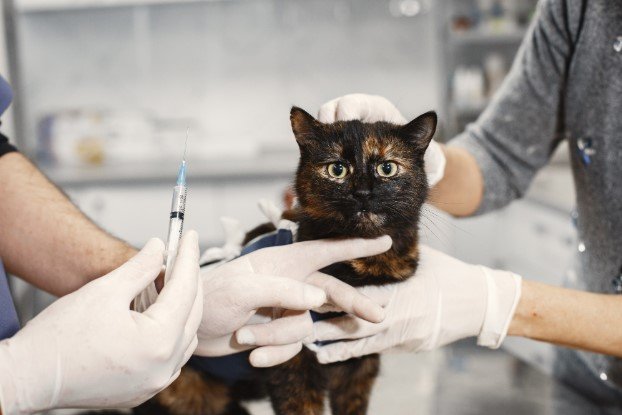
Good pet preventive care is the first step to keeping pets healthy. There are several serious infectious diseases that can be prevented with vaccinations for dogs and cats. However, there are a lot of pet owners who have questions about when vaccines are required, why boosters are important, and how long the vaccine lasts.
The answer will vary according to the pet’s age, health, lifestyle, and vaccination history. Understanding these factors makes it easier to plan veterinary visits and avoid missed doses.
How Animal Vaccinations Protect Pets
Vaccines prepare the immune system to recognize specific germs. This helps the body respond more effectively if the pet encounters the disease later. Protection can be against infection, severe illness, or reduced transmission of disease, depending on the vaccine.
Animal vaccinations are an important part of preventive veterinary care for both dogs and cats. Some vaccines help you prevent diseases that could lead to complications or death. Rabies vaccination also enhances the protection of human beings, as the disease can spread from an infected animal to a human.
Understand Core and Lifestyle-Based Vaccines
Veterinarians generally classify vaccines as core or non-core. Core vaccines protect against diseases considered significant risks for most animals in a particular region. Non-core vaccines are recommended based on an individual pet’s exposure risk.
For dogs, core vaccines commonly protect against canine distemper, adenovirus, and parvovirus. Rabies vaccination is also widely recommended or legally required, depending on local regulations.
For cats, core vaccines commonly protect against feline panleukopenia, feline herpesvirus, and feline calicivirus. Rabies vaccination may also be recommended or required.
Follow the Recommended Vaccination Schedule
Generally, puppies and kittens require multiple vaccinations over the first few months of life. The specific vaccine will vary by animal and by age. Follow-up doses may be required every so often for adult pets, and a catch-up may be required if history is not known for newly adopted pets.
Record all appointments, vaccine name, and date. Before leaving the clinic, ask for the next dose date. The appropriate vaccination interval depends on the specific vaccine and prior vaccinations.
Why Booster Shots Matter
A booster is an additional vaccine dose given after an initial vaccination series or earlier dose. It helps maintain or strengthen immunity when recommended for a particular vaccine.
Boosters are not given at regular intervals. There are vaccines that need to be given more often, and others that stay effective for longer. Your veterinarian will discuss the timing of each vaccine and if your pet needs any extra vaccines.
Don’t assume all vaccines need to be repeated yearly. The proper time will vary based on the product, veterinarian advice, local regulations, and the circumstances of your pet.
Know What to Expect After Vaccination
Pets generally tolerate vaccines well. Some may experience dizziness, a slight pain at the injection site, or a decrease in appetite for the time being. These are frequently short-lived. Observe and follow post-appointment instructions. If symptoms get worse, last for longer, or are unusual, contact your vet.
Allergic reactions are rare but serious and should be treated immediately. Emergency warning signs include facial swelling, respiratory difficulty, collapse, or vomiting after vaccination. If they happen, get emergency veterinary treatment.